Construction begins on Liquefied Biogas plant at the Port of Gothenburg


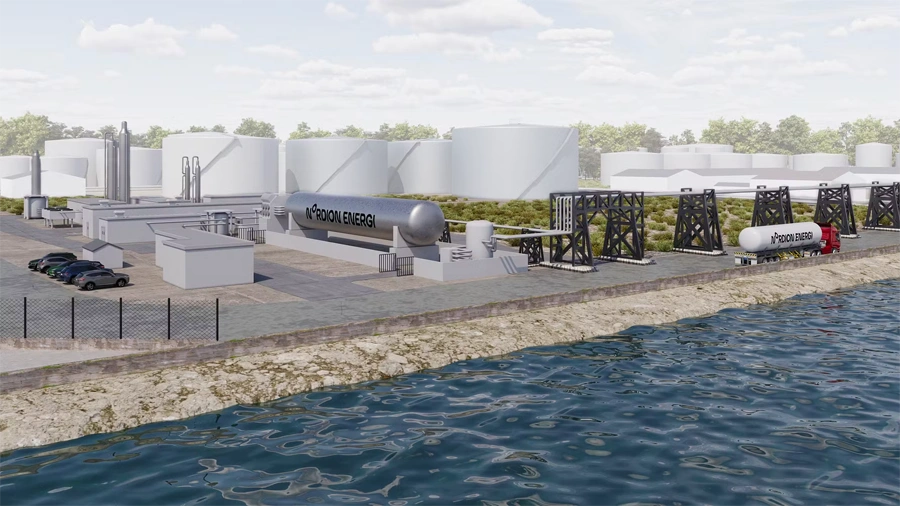
Article in short
- Nordion Energi has begun construction of a liquefied biogas facility at the Port of Gothenburg.
- The plant will make it possible to liquefy biogas and supply it to shipping, industry and heavy transport.
- Several companies operating in the port already use biogas and will be able to increase their consumption once the facility is operational.
- The facility is expected to be completed in 2027 and will have a production capacity of approximately 50 tonnes of liquefied biogas per day.
How does the investment support the transition of shipping?
Over the past several years, the Port of Gothenburg has built a strong cluster of companies involved in renewable fuels, production, distribution and end-use. The new liquefaction facility will become an important part of that value chain.
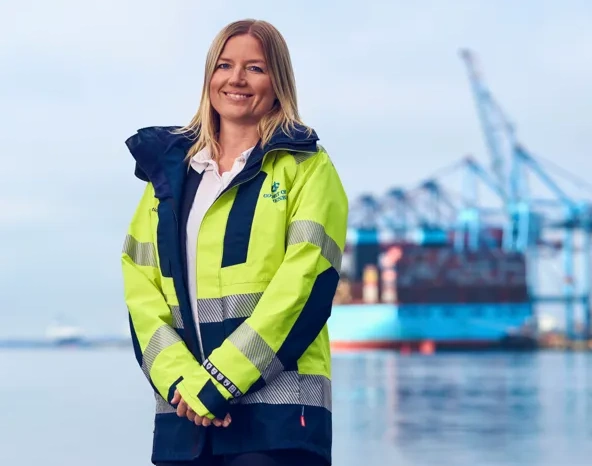
“For the shipping industry’s transition to accelerate, the entire value chain needs to be in place and working together – something the maritime cluster in the Port of Gothenburg is known for. This facility strengthens the port’s position in renewable marine fuels and enables liquefied biogas to be supplied to the shipping industry on a larger scale,” says Therese Jällbrink, Head of Renewable Energy at the Port of Gothenburg.
Several shipping companies calling at the Port of Gothenburg already use biogas as fuel. Once the facility is operational, access to liquefied biogas will increase, creating new opportunities to scale up its use in maritime transport.
Producers and users already in place
Demand for liquefied biogas is growing as more companies seek to reduce their emissions. Even before construction is completed, companies have already secured capacity in the future facility.
One of them is St1 Biokraft, which has signed an agreement covering part of the plant’s future production capacity.
“When the liquefaction facility is completed, we will have an excellent solution in place at the Port of Gothenburg. This is a strategic step towards our ambition to scale up and offer competitive liquefied biogas to the shipping sector, while taking a leading position within this market segment,” says Ted Gustavsson, Head of Value Chain at St1 Biokraft.
When will the facility be completed?
The facility is expected to be completed during 2027 and is scheduled to enter operation before the end of the year. At full capacity, it will be capable of producing approximately 50 tonnes of liquefied biogas per day.
The investment strengthens the Port of Gothenburg’s role as an energy hub and contributes to increased availability of renewable fuels for shipping, industry and transport across Sweden and Europe.